
Loading

Loading
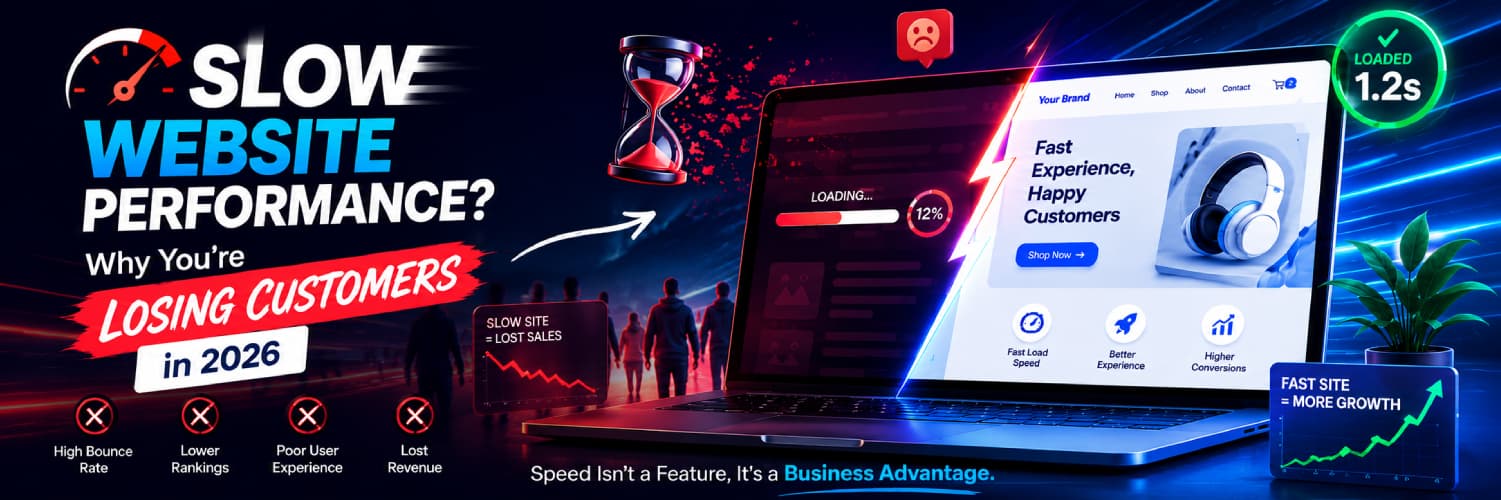
Slow Website Performance? Why You're Losing Customers in 2026
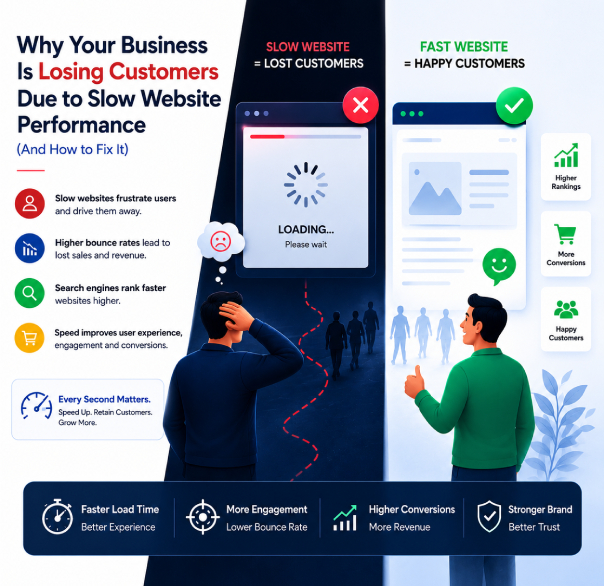
Your website may look great, offer excellent products, and have a strong marketing strategy. But if it takes too long to load, potential customers may leave before they ever engage with your business.
In today's digital landscape, speed is no longer just a technical metric. It directly impacts customer experience, search rankings, and conversion rates. As user expectations continue to rise in 2026, businesses with slow websites are finding it increasingly difficult to attract and retain customers.
The reality is simple: every second matters.
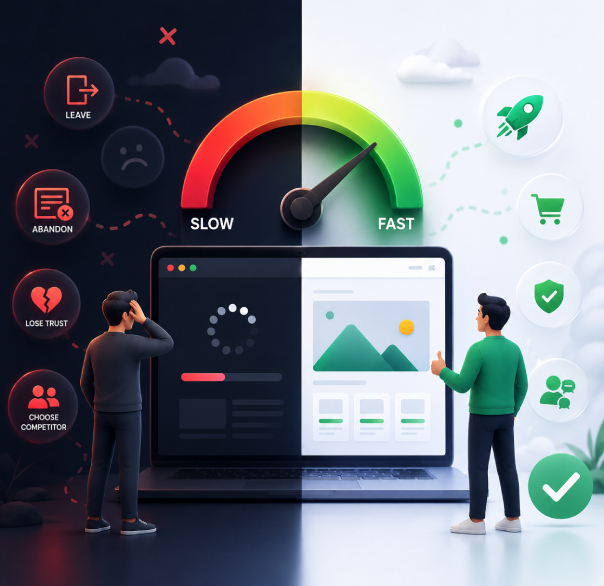
Modern users expect websites to load almost instantly. Whether they are shopping online, requesting a service, or exploring your brand, visitors want a smooth and responsive experience.
When a website feels slow, users often:
leave without viewing additional pages abandon forms or checkout processes lose trust in the business choose a competitor instead
A slow website doesn't just create frustration. It creates missed business opportunities.
Businesses that invest in Web Development Services and Responsive Web Design can significantly improve website performance, ensuring visitors enjoy a seamless browsing experience across desktops, tablets, and mobile devices.

Website speed affects far more than user experience.
Search engines prioritize websites that provide better performance and usability. If your website loads slowly, it can impact:
For businesses investing in SEO and digital marketing, poor performance can reduce the return on every marketing effort.
Driving traffic to a slow website is like inviting customers into a store with a locked front door. Businesses that combine Search Engine Optimization with high-performing Web Development Services not only attract more visitors but also create faster, more engaging experiences that improve conversions and customer retention.
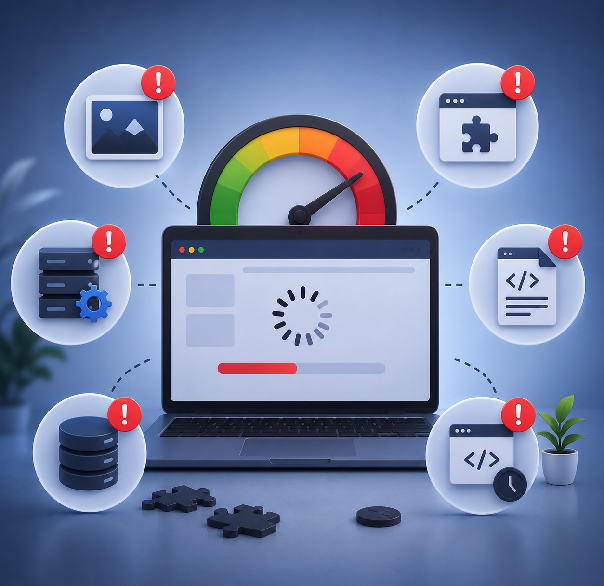
Many businesses assume website speed problems are caused by hosting alone. In reality, several factors can affect performance.
Some of the most common issues include:
As websites grow and new features are added, these issues often become more noticeable.
Without regular optimization, performance gradually declines over time.
Modern websites built with React JS Development and optimized Node.js Development deliver faster page rendering and efficient server-side performance, helping businesses reduce loading times as their websites continue to grow.
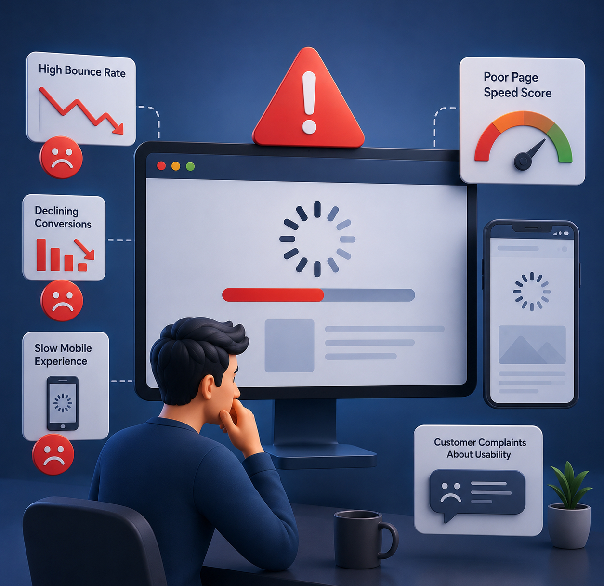
In many cases, business owners don't realize performance is affecting results until growth starts slowing.
Some common warning signs include:
If visitors leave before interacting with your content, speed may be one of the underlying causes.
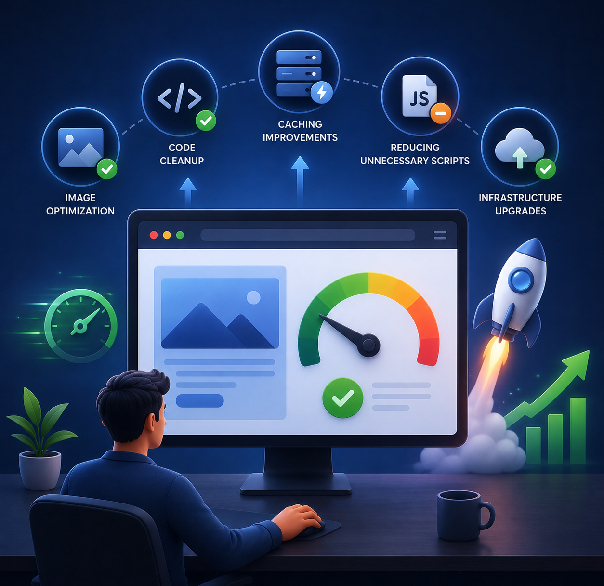
Improving website speed often starts with understanding where bottlenecks exist.
Effective optimization strategies may include:
For growing businesses, performance optimization should be treated as an ongoing process rather than a one-time task.
A faster website creates a better experience for both users and search engines.
Scalable Cloud Services combined with efficient PostgreSQL Development help businesses handle increasing traffic while maintaining fast page speeds, reliable performance, and improved application stability.
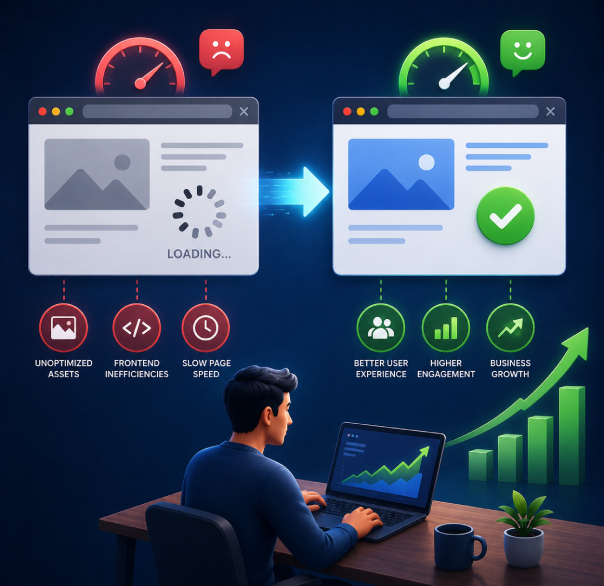
A business approached CloudActive Labs after noticing lower engagement despite increasing website traffic.
After reviewing the website, several performance bottlenecks were identified, including unoptimized assets and frontend inefficiencies.
By improving page loading speed and streamlining website performance, the business delivered a smoother user experience and improved visitor engagement.
Even small improvements in performance can create meaningful business results when applied across an entire customer journey.
Final Thoughts
Slow website performance can quietly impact every part of your digital strategy, from search rankings and lead generation to customer retention and conversions.
As competition continues to increase in 2026, businesses that invest in website speed and user experience gain a significant advantage. A fast, responsive website not only improves customer satisfaction but also supports long-term business growth.
If your website is loading slowly or struggling to convert visitors, a performance audit can help identify the issues holding your business back.
Have questions or need assistance? We're here to help! Reach out to us today, and our team will get back to you as soon as possible.