
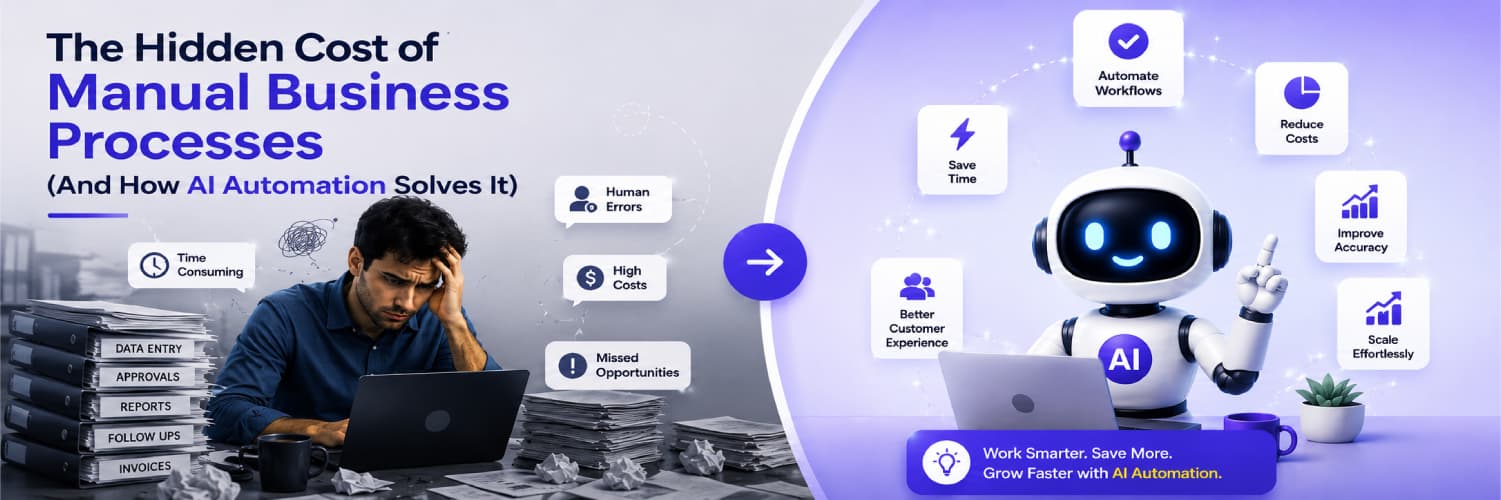
The Hidden Cost of Manual Business Processes (And How AI Automation Solves It)
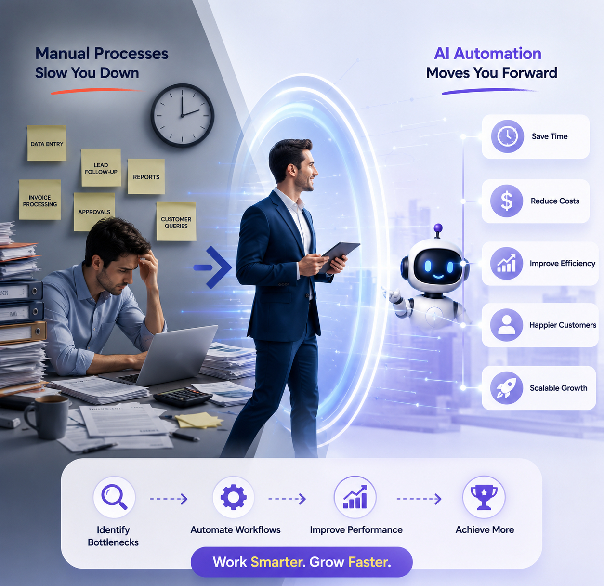
Many businesses don't realize how much time and money they lose to manual processes every day.

Tasks like data entry, lead management, customer support, reporting, invoice processing, and workflow approvals often seem manageable at first. However, as a business grows, these repetitive activities begin consuming valuable time that could be spent on strategic initiatives.

In 2026, companies are increasingly turning to AI automation not because it's a trend, but because manual operations are becoming a major barrier to growth.

The businesses that scale successfully are often the ones that identify operational bottlenecks early and automate them effectively.

Why Manual Processes Become Expensive

Manual workflows may not appear costly when viewed as individual tasks. The real cost becomes visible when these activities are repeated hundreds or thousands of times each month.

Employees spend hours switching between systems, updating records, generating reports, responding to repetitive inquiries, and performing routine administrative work.

Over time, this leads to:

  • reduced productivity
  • slower response times
  • higher operational costs
  • increased risk of human error
  • delayed decision-making

As teams grow, these inefficiencies often multiply across departments.

The Impact on Business Growth

One of the biggest challenges with manual processes is that they do not scale efficiently.

As customer demand increases, businesses often respond by hiring more staff to handle additional workload. While this may solve short-term capacity issues, it also increases operational expenses.

Manual systems can create bottlenecks in:

  • customer support
  • sales operations
  • reporting
  • data management
  • internal approvals
  • workflow coordination

Eventually, these bottlenecks begin affecting customer experience and overall business performance.
How AI Automation Changes the Process

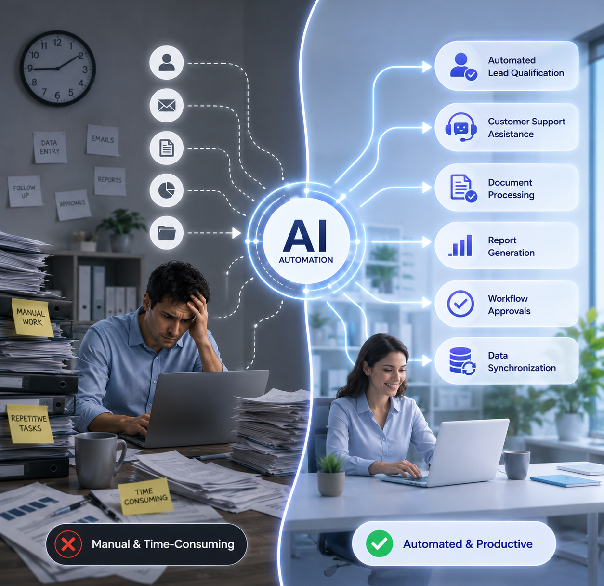
AI automation helps businesses reduce repetitive work by allowing systems to perform routine tasks automatically.

Instead of manually managing every process, organizations can automate workflows and allow employees to focus on higher-value activities.

Common examples include:

  • automated lead qualification
  • customer support assistance
  • document processing
  • report generation
  • workflow approvals
  • data synchronization

The goal is not to replace employees. The goal is to remove repetitive work that limits productivity.

Where Businesses Are Using AI Automation in 2026

AI automation is being adopted across nearly every industry.

Sales teams are using automation to manage lead follow-ups and qualification processes. Customer support departments are improving response times through AI-powered assistance. Operations teams are automating internal workflows that previously required significant manual effort.

Businesses are also using AI to:

  • process customer requests
  • manage internal communications
  • generate operational reports
  • monitor workflows
  • improve decision-making

As AI technology becomes more accessible, automation is becoming a practical business advantage rather than an enterprise-only solution.
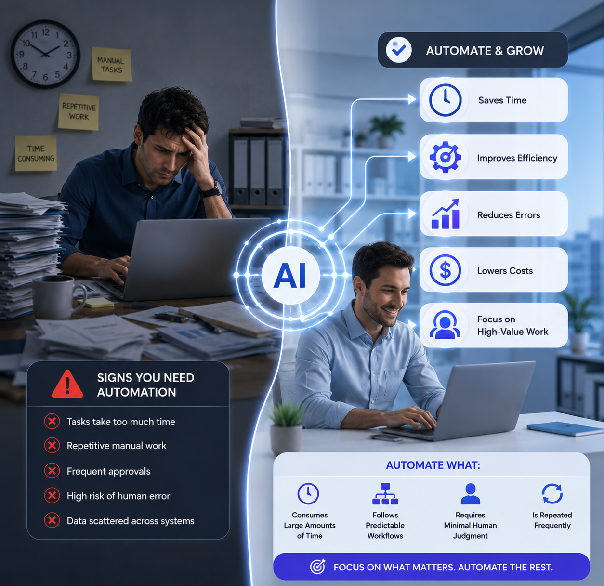
How to Know If Your Business Needs Automation

Many businesses wait until inefficiencies become serious problems before considering automation.

If your team spends significant time on repetitive activities, manual approvals, data transfers, or routine customer interactions, there may be opportunities to improve efficiency through automation.

The best automation projects often start by identifying tasks that:

  • consume large amounts of time
  • follow predictable workflows
  • require minimal human judgment
  • are repeated frequently

These areas often deliver the fastest return on investment.

Final Thoughts

Manual business processes may seem manageable in the early stages of growth, but they often become costly obstacles as operations expand. Repetitive tasks, inefficient workflows, and operational bottlenecks can limit productivity and increase business expenses over time.

AI automation helps businesses streamline operations, improve efficiency, and create scalable workflows that support long-term growth. Companies that proactively automate repetitive processes are often better positioned to improve customer experience, reduce operational costs, and focus on strategic business initiatives.

If your business is spending too much time on manual workflows, identifying automation opportunities today could create significant operational advantages tomorrow.

Featured Blogs

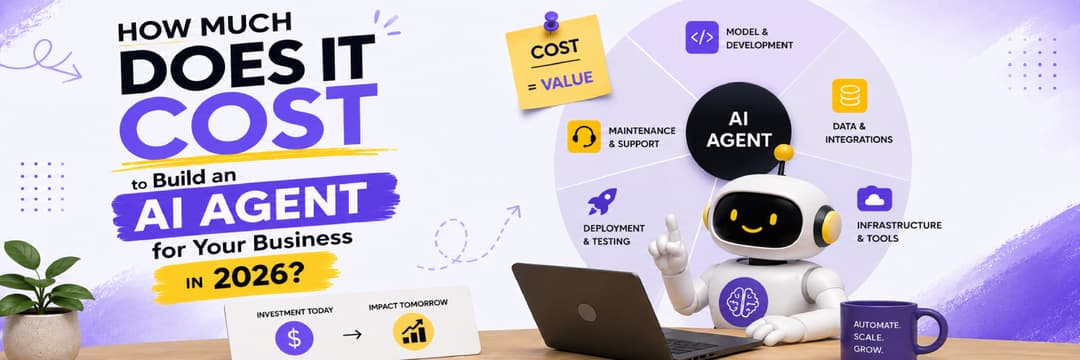
How Much Does It Cost to Build an AI Agent for Your Business in 2026?

Discover the cost of building an AI agent in 2026. Learn the factors that impact pricing, common business use cases, and how companies are using AI agents to automate operations and improve efficiency.
How Much Does It Cost to Build an AI Agent for Your Business in 2026?

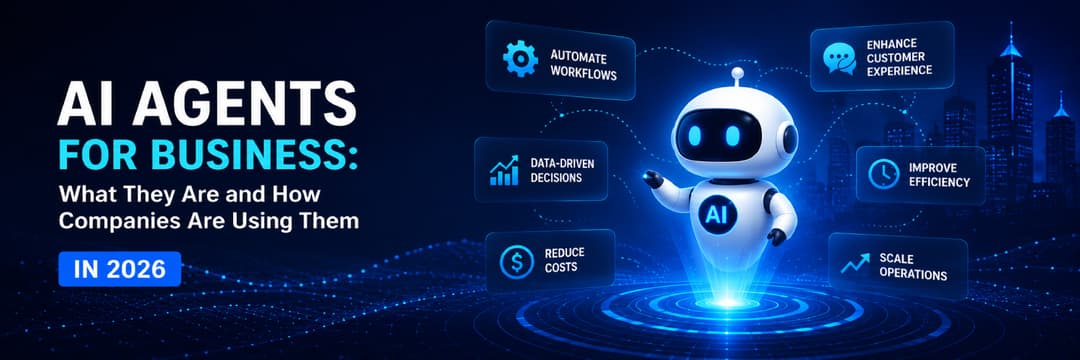
AI Agents for Business: What They Are and How Companies Are Using Them in 2026

Discover how AI agents are helping businesses automate workflows, improve productivity, and reduce operational costs. Learn how companies are using AI agents in 2026.
AI Agents for Business: What They Are and How Companies Are Using Them in 2026

Slow Website Performance? Why You're Losing Customers in 2026

A slow website can hurt conversions, SEO rankings, and customer retention. Learn how website performance impacts business growth and how to improve speed in 2026.
Slow Website Performance? Why You're Losing Customers in 2026

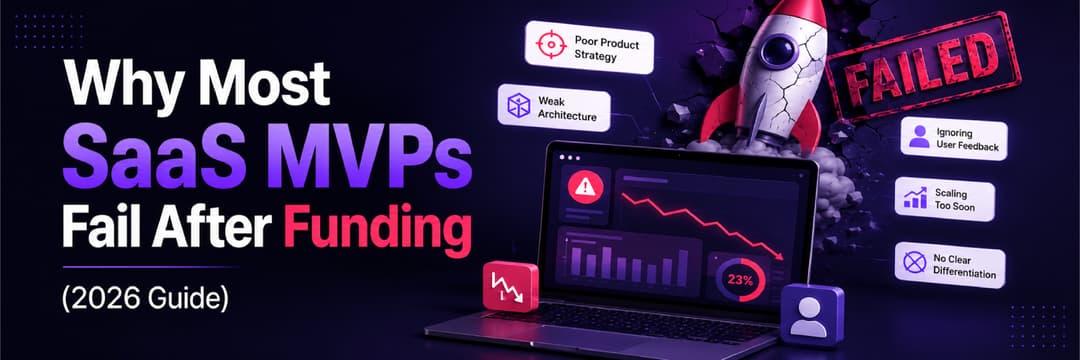
Why Most SaaS MVPs Fail After Funding (2026 Guide)

Many SaaS MVPs fail after funding due to scalability, frontend, and architecture issues. Learn the common technical mistakes startups make and how to avoid them in 2026.
Why Most SaaS MVPs Fail After Funding (2026 Guide)

Custom API Integration Cost in 2026: A Startup Founder’s Guide

Explore custom API integration costs in 2026 for startups and SaaS businesses. Learn pricing factors, hidden costs, and how to choose the right API development partner.
Custom API Integration Cost in 2026: A Startup Founder’s Guide

Why Shopify Stores Slow Down After 10,000 Products (2026 Fix)

Large Shopify stores often slow down as product catalogs grow. Learn the main causes of Shopify performance issues and how headless commerce improves speed, scalability, and user experience.
Why Shopify Stores Slow Down After 10,000 Products (2026 Fix)

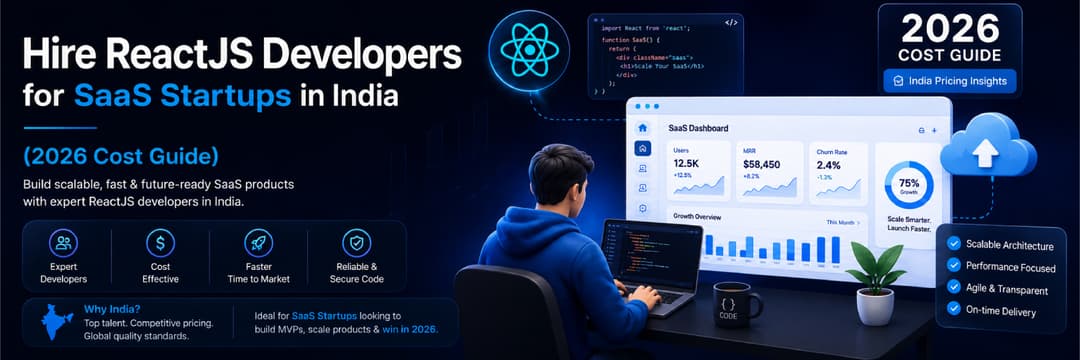
Hire ReactJS Developers for SaaS Startups in India (2026 Cost Guide)

Planning to hire ReactJS developers for your SaaS startup in India? Explore 2026 hiring costs, offshore team risks, scaling tips, and how to choose the right React development partner.
Hire ReactJS Developers for SaaS Startups in India (2026 Cost Guide)

Pushing Web Accessibility in American Education Tech: A Remote Next.js Team’s Approach

Learn how CloudActive Labs’ remote Next.js teams help U.S. EdTech companies build ADA-compliant, inclusive, and scalable educational platforms for all learners.
Pushing Web Accessibility in American Education Tech: A Remote Next.js Team’s Approach

How U.S. B2B Companies Are Future-Proofing With Remote Next.js and Node.js Expertise

U.S. B2B companies scale faster with remote Next.js & Node.js experts. CloudActive Labs delivers secure, agile, and future-ready digital solutions.
How U.S. B2B Companies Are Future-Proofing With Remote Next.js and Node.js Expertise
LET'S CONNECT

We're Here to Help - Reach Out Today!

Have questions or need assistance? We're here to help! Reach out to us today, and our team will get back to you as soon as possible.

This site is protected by reCAPTCHA and the Google Privacy Policy and Terms of Service apply.