
The Importance of IT Strategy in Startup Success
In today's digital age, startups are increasingly reliant on technology to drive innovation, streamline operations, and fuel growth. However, the mere adoption of technology is not enough to ensure success. What sets successful startups apart is the presence of a well-defined IT strategy. In this blog, we'll explore why having a solid IT strategy is crucial for the success of your startup and how it can pave the way for sustainable growth and competitive advantage.

Understanding the Role of IT Strategy: An IT strategy serves as a roadmap that guides how technology will be utilized to achieve business objectives. It aligns technology investments with the overall goals and vision of the startup, ensuring that technology initiatives contribute to the company's success. From infrastructure and security to software development and data management, an effective IT strategy encompasses all aspects of technology management within the organization.
Driving Innovation and Differentiation: In today's fast-paced market, startups must innovate continuously to stay ahead of the competition. An IT strategy enables startups to leverage emerging technologies and trends to drive innovation. By investing in research and development, fostering a culture of experimentation, and embracing disruptive technologies, startups can differentiate themselves in the market and create unique value propositions for their customers.
Optimizing Resource Allocation: Startups often operate under resource constraints, making it essential to allocate resources effectively. An IT strategy helps startups prioritize technology investments based on their strategic importance and potential return on investment. By aligning IT spending with business priorities, startups can maximize the impact of their technology investments and achieve greater efficiency and cost-effectiveness.

Enhancing Operational Efficiency: A well-defined IT strategy can streamline business operations and improve overall efficiency. By implementing integrated systems, automating repetitive tasks, and optimizing workflows, startups can reduce manual effort, minimize errors, and enhance productivity across the organization. This improved operational efficiency enables startups to scale more effectively and respond quickly to changing market dynamics.
Ensuring Scalability and Flexibility: Scalability and flexibility are critical for startups as they grow and evolve. An IT strategy ensures that technology infrastructure and systems are designed to scale seamlessly with the organization's needs. By leveraging cloud computing, modular architectures, and scalable software solutions, startups can adapt to changing demands and opportunities without significant disruptions to their operations.
Mitigating Risks and Ensuring Security: In an increasingly digital world, cybersecurity threats pose a significant risk to startups. An IT strategy includes robust security measures and protocols to safeguard sensitive data, protect against cyber threats, and ensure regulatory compliance. By proactively addressing security risks and implementing best practices, startups can minimize the likelihood of data breaches and other security incidents that could jeopardize their success.
Conclusion:
In conclusion, the importance of an IT strategy cannot be overstated in the success of startups. A well-defined IT strategy aligns technology initiatives with business objectives, drives innovation and differentiation, optimizes resource allocation, enhances operational efficiency, ensures scalability and flexibility, and mitigates risks and ensures security. By investing in an IT strategy, startups can lay the foundation for sustainable growth, competitive advantage, and long-term success in today's digital economy.
Featured Blogs
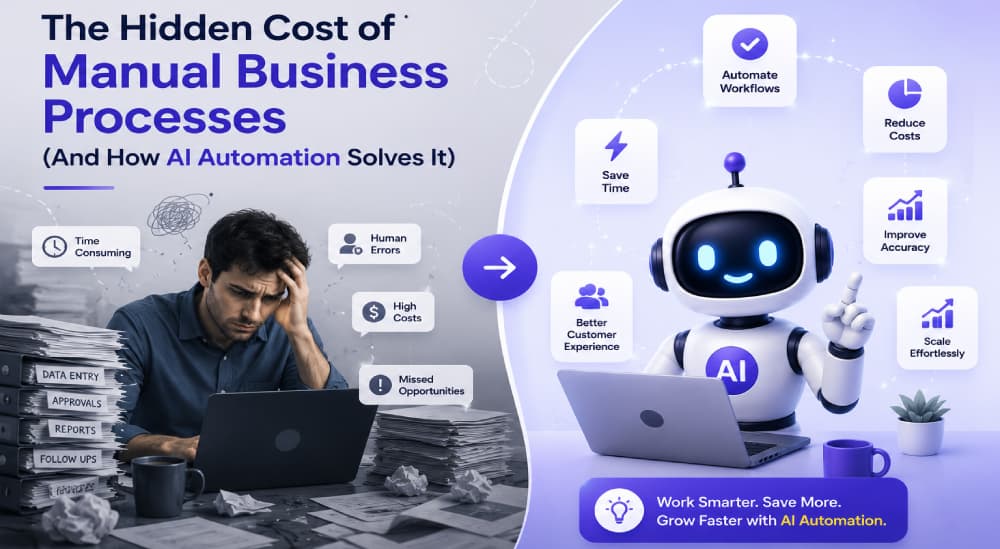
The Hidden Cost of Manual Business Processes (And How AI Automation Solves It)
Manual business processes can reduce productivity, increase costs, and slow growth. Discover how AI automation helps businesses improve efficiency and streamline operations in 2026.
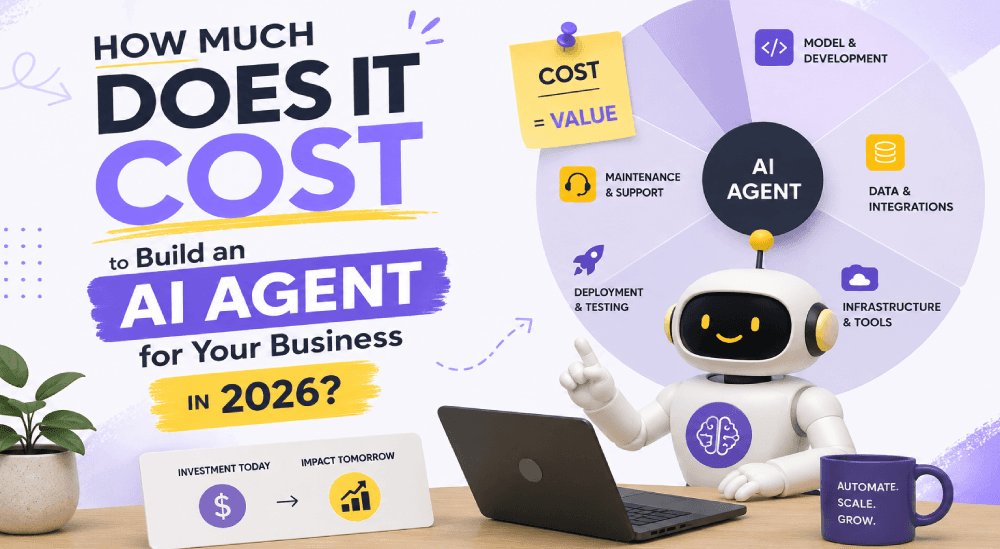
How Much Does It Cost to Build an AI Agent for Your Business in 2026?
Discover the cost of building an AI agent in 2026. Learn the factors that impact pricing, common business use cases, and how companies are using AI agents to automate operations and improve efficiency.
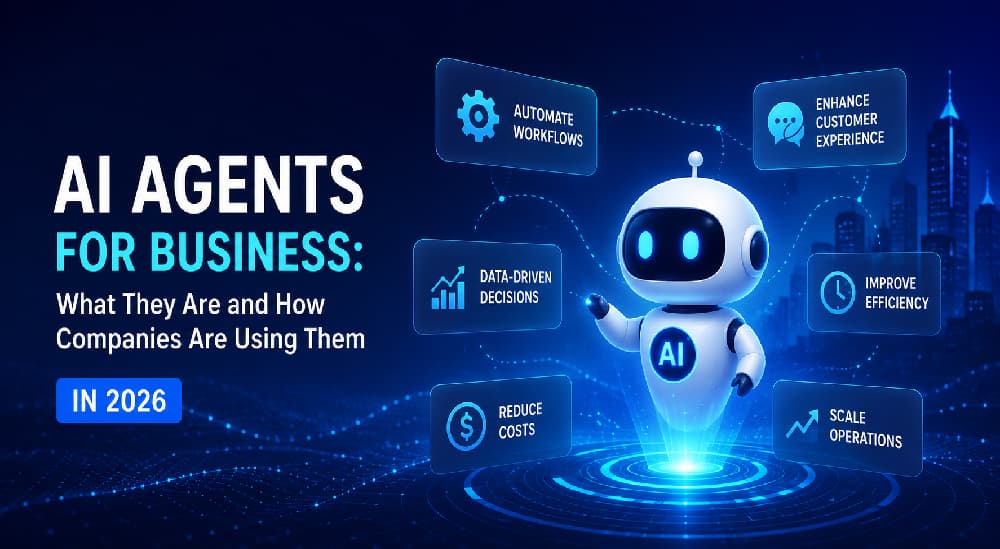
AI Agents for Business: What They Are and How Companies Are Using Them in 2026
Discover how AI agents are helping businesses automate workflows, improve productivity, and reduce operational costs. Learn how companies are using AI agents in 2026.
Slow Website Performance? Why You're Losing Customers in 2026
A slow website can hurt conversions, SEO rankings, and customer retention. Learn how website performance impacts business growth and how to improve speed in 2026.
Why Most SaaS MVPs Fail After Funding (2026 Guide)
Many SaaS MVPs fail after funding due to scalability, frontend, and architecture issues. Learn the common technical mistakes startups make and how to avoid them in 2026.
Custom API Integration Cost in 2026: A Startup Founder’s Guide
Explore custom API integration costs in 2026 for startups and SaaS businesses. Learn pricing factors, hidden costs, and how to choose the right API development partner.

Why Shopify Stores Slow Down After 10,000 Products (2026 Fix)
Large Shopify stores often slow down as product catalogs grow. Learn the main causes of Shopify performance issues and how headless commerce improves speed, scalability, and user experience.
Hire ReactJS Developers for SaaS Startups in India (2026 Cost Guide)
Planning to hire ReactJS developers for your SaaS startup in India? Explore 2026 hiring costs, offshore team risks, scaling tips, and how to choose the right React development partner.
Pushing Web Accessibility in American Education Tech: A Remote Next.js Team’s Approach
Learn how CloudActive Labs’ remote Next.js teams help U.S. EdTech companies build ADA-compliant, inclusive, and scalable educational platforms for all learners.

LET'S CONNECT
We're Here to Help - Reach Out Today!
Have questions or need assistance? We're here to help! Reach out to us today, and our team will get back to you as soon as possible.